Planning a body lift or torsoplasty? Learn exactly how to prepare: BMI requirements, pre-op tests, lifestyle changes, and what to expect during recovery.
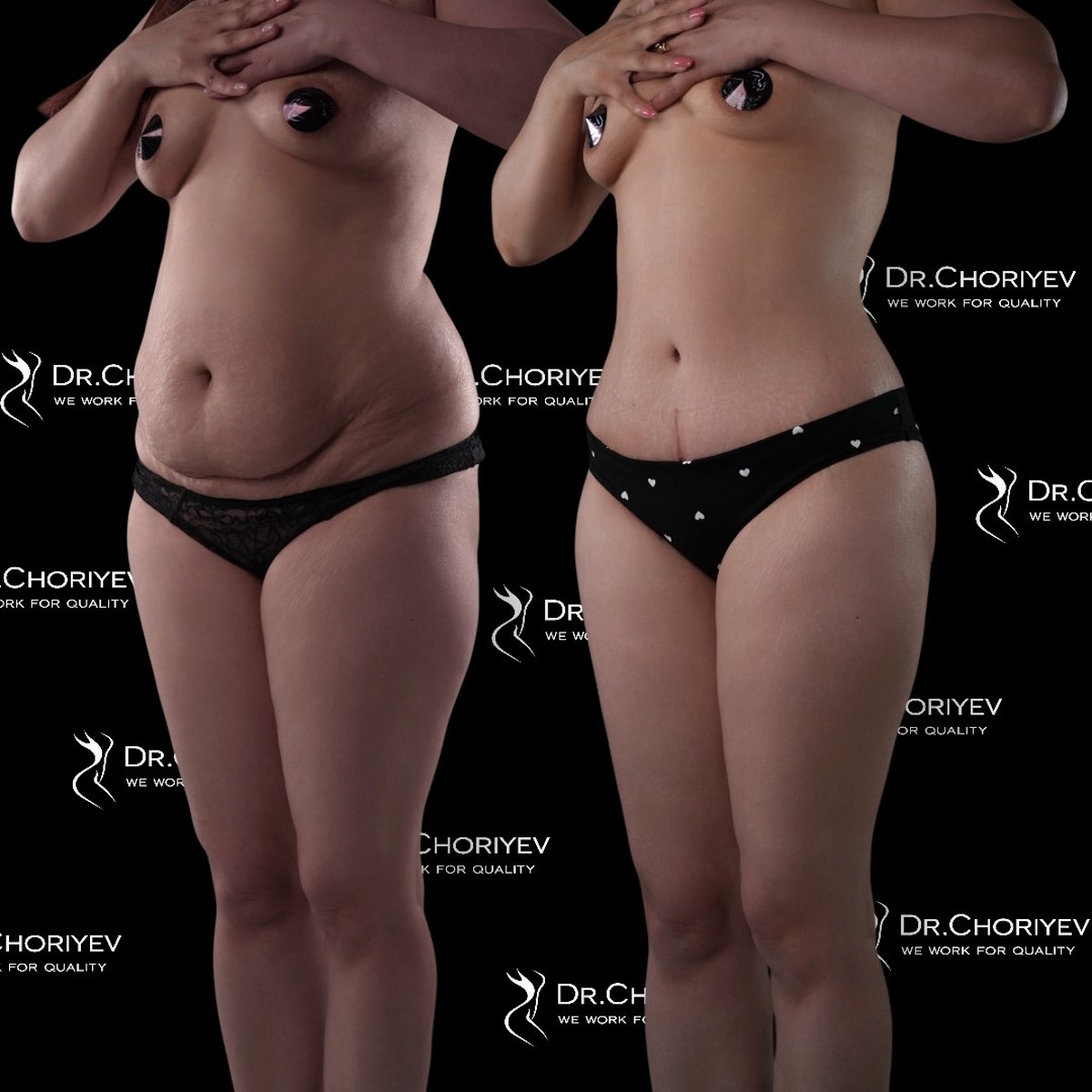
How to Prepare for Body Lift Surgery: What You Need to Know Before the Operation After significant weight loss, many patients face the same problem: the skin simply does not bounce back. The abdomen, waist, hips — loose, sagging skin remains everywhere. A body lift — also called torsoplasty or 360 body lift — is the procedure designed to address exactly this. But the surgery itself is only part of the outcome. Preparation determines how smoothly you heal, how long the results last, and how low your risk of complications will be. Here is what you actually need to know before you book your consultation.
Who Is a Good Candidate for Body Lift Surgery? Most patients who come in fall into two groups. The first group is post-bariatric patients — people who have lost a large amount of weight following bariatric surgery. In these patients, skin elasticity rarely returns to normal because the skin has been stretched for so long. The second group is patients who have lost 30–50 kg or more through diet and exercise. They face the same issue: abdominal apron, sagging skin around the waist and hips, stretch marks that do not improve no matter what they do. Weight Must Be Stable First Before any body lift, your weight needs to have been stable for at least six months. If you are still losing weight — it is too early. The reason is straightforward: if you continue losing weight after surgery, the skin will sag again. The procedure will be wasted. In my practice, I have turned patients away more than once with the words: 'You are not ready yet.' It is difficult to hear, but it is the right decision. What BMI Is Required? For a body lift, BMI is generally recommended to be below 30. In individual cases, 32–33 may be acceptable, but this is assessed case by case. A higher BMI increases complication risk — particularly poor wound healing and suture breakdown. If your BMI is currently 35–40, continuing your weight loss journey before considering surgery is the safer path.
Pre-Operative Tests: What Will Be Checked? Some clinics operate with minimal testing. That is a red flag. A full pre-operative workup is what keeps surgery safe. Standard tests include: Complete blood count and biochemistry panel. Coagulation tests. Blood glucose and thyroid hormones. ECG and general physician clearance. Anaesthesiologist consultation. If you have diabetes, thyroid disease, or any chronic condition — this will be evaluated separately. Anaesthesia tolerance is also assessed in advance. Medications to Stop Before Surgery Blood thinners must be stopped 10–14 days before the operation. This includes aspirin, ibuprofen, and certain supplements — fish oil, vitamin E, and others. One of the most common issues I see: patients do not mention everything they are taking. Any medication or supplement you use must be disclosed to your surgeon. This is not optional.
Lifestyle Changes Before Surgery Smoking and Alcohol For smokers, there is no comfortable way to say this: you must stop completely at least 4–6 weeks before surgery — including electronic cigarettes. Nicotine constricts blood vessels. When skin does not receive adequate blood supply, wounds do not heal properly. In some cases, they do not heal at all. One of the most preventable complications I see in practice is suture failure in patients who continued smoking. Do not be that patient. Alcohol should also be stopped at least two weeks prior. Nutrition and Protein Intake In the weeks leading up to surgery, increase your protein intake — meat, eggs, legumes. Protein directly supports tissue healing. Iron levels matter especially for post-bariatric patients. Anaemia is common after bariatric surgery, and if haemoglobin is low, the operation will be delayed. In some cases, we prescribe iron supplementation two to three months in advance. Physical Preparation Rest is not the goal here. Gentle walking and breathing exercises before surgery are actually beneficial. Breathing exercises in particular reduce the risk of pulmonary complications after general anaesthesia. Heavy exercise and abdominal straining, however, should stop in the weeks before the procedure.
Recovery: What to Expect After Body Lift Surgery Most patients are more anxious about recovery than the surgery itself. That is completely understandable. A body lift is a major procedure. Skin and fat tissue are removed along the entire circumference of the waist — abdomen, back, and hips. Recovery takes time. The First Week You will stay in the hospital for three to five days. Pain is present but manageable with medication. Drainage tubes are typically removed after two to three days. In the early weeks, the following are completely normal: swelling, bruising, difficulty moving. It all passes. When getting up, avoid straining the abdominal muscles — learn to roll to your side first. Compression Garment After surgery, a compression garment is worn for six to eight weeks. It reduces swelling and helps the skin conform to its new contour. Many patients find this uncomfortable. But the compression garment is one of the most important parts of recovery — not optional, not negotiable. When Does Swelling Resolve? Most visible swelling resolves within four to six weeks. However, the final result — the true shape — takes six to twelve months to fully appear. In some patients, swelling persists longer on one side than the other. This is normal. The body rarely heals with perfect symmetry. Scars The scar runs along the waistline and can be hidden under clothing. Initially it will be pink and visible. Over 12–18 months it fades and flattens significantly. Scar care: silicone sheets and specialist creams help. Sun protection over the scar is essential — UV exposure can darken it permanently.
360 Body Lift vs Standard Body Lift: What Is the Difference? A 360 body lift removes excess skin from the abdomen, lower back, and hips in a single procedure — the full circumference. It is a long operation: four to six hours, often combined with liposuction. For post-bariatric patients, this is typically the most appropriate option, as they usually have excess skin in multiple areas simultaneously. In some cases, I divide the procedure into two stages. Doing everything in one session can carry higher risk, depending on the individual. This decision is made together with the patient.
Common Mistakes Patients Make First: coming for surgery before weight is stable. This is the most common. Second: not stopping smoking. 'I only smoke a little' is not reassurance. Even a little is enough to affect healing. Third: choosing a clinic based on price alone. Body lift surgery is complex. A very low price usually means an inexperienced surgeon, poor facilities, or inadequate pre-operative workup. Fourth: abandoning the compression garment too early. Some patients stop wearing it after two or three weeks. The result is prolonged swelling and uneven skin adaptation. Fifth: returning to heavy physical activity too soon. No lifting heavy objects for at least six to eight weeks.
Frequently Asked Questions How much does a body lift cost in Tashkent? Cost depends on the clinic, the surgeon, and the scope of surgery. A 360 body lift involves more operative time and therefore higher costs. An accurate quote is given during consultation — because each patient's case is different. Can liposuction be combined with body lift surgery? Yes, in many cases it is done simultaneously. While skin is being removed, residual fat deposits can also be addressed with liposuction in the same session. This often improves the final contour. Is general anaesthesia safe? General anaesthesia is used in all major procedures. Risk exists but is very low after a thorough pre-operative assessment. Your anaesthesiologist will consult with you in advance. When can I return to work after surgery? For desk-based work: two to three weeks. For physically demanding jobs: six to eight weeks. These are general estimates — individual recovery varies. Will stretch marks disappear after a body lift? Stretch marks in the area of removed skin are gone. However, not all stretch marks disappear — only those within the excised zone. This is explained clearly before the procedure. What happens if I gain weight after surgery? The results will be affected. Maintaining your weight after surgery is part of the long-term outcome. A body lift changes your shape — it does not change your metabolism or relationship with food. What is an abdominal apron, and will a body lift remove it? An abdominal apron is the large fold of skin that hangs from the lower abdomen after massive weight loss. It is one of the most common concerns in post-bariatric patients. A body lift removes it completely. How far in advance should I start preparing? At least three to six months before the planned surgery date. Quitting smoking, stabilising weight, completing all tests — these all take time that cannot be rushed.
Summary A body lift is a significant decision. With the right preparation, it is also a safe one. The essentials: stabilise your weight, stop smoking, complete your pre-operative workup, and take recovery seriously. What happens before and after the operation matters just as much as the procedure itself. The result depends on all three. If you have questions — come for a consultation. Many patients arrive uncertain whether they are ready. That is exactly what a consultation is for.
Article author: Dr. Doniyor Choriyev Plastic Surgeon